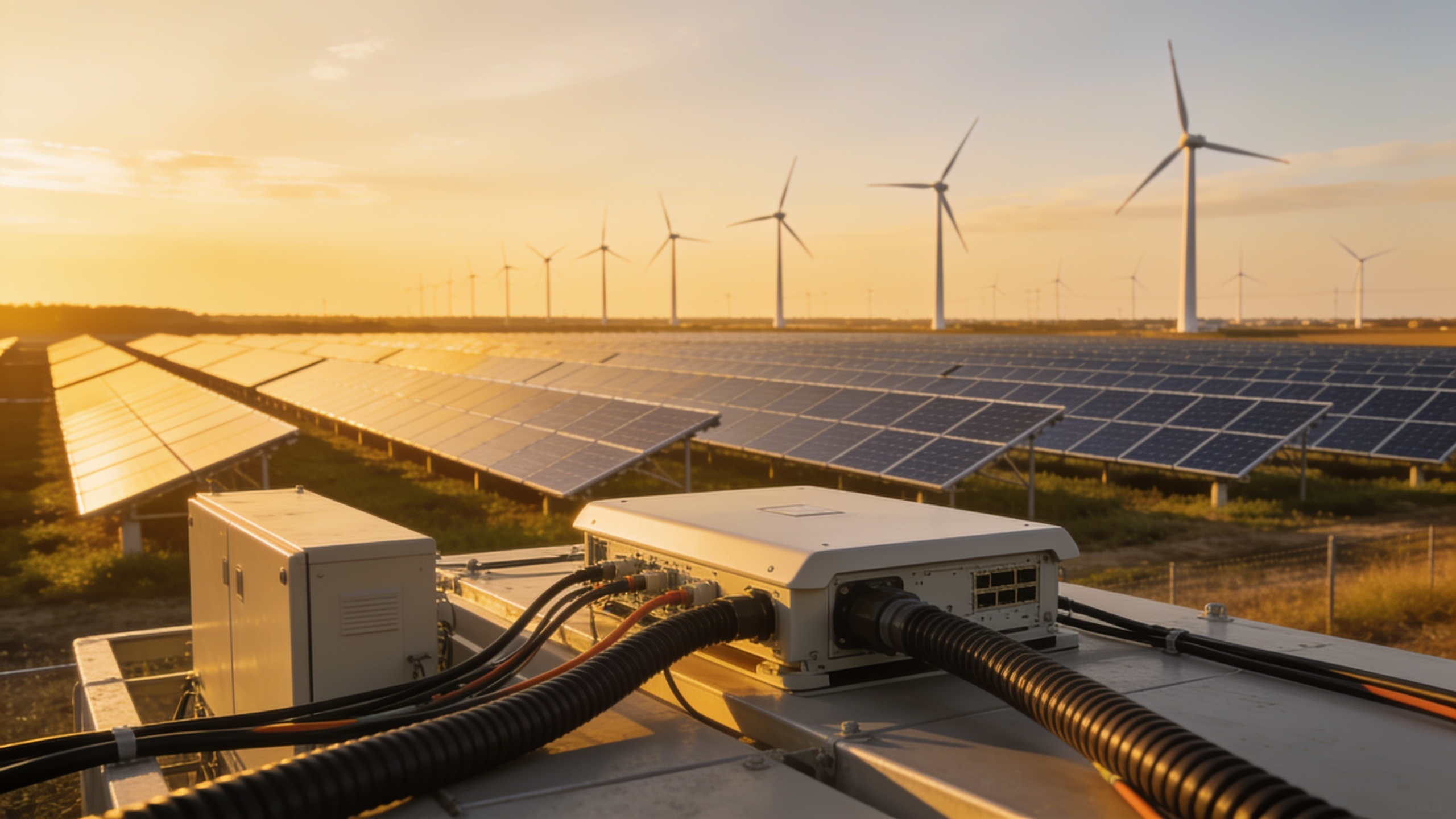
The Complete Guide to Grid Integration Challenges for Large Electrolyzers

Large electrolyzer projects stall on grid integration more often than they stall on chemistry. The problem splits into two parts: getting an interconnection approved, and operating cleanly once connected. This guide breaks down both, plus the off-grid alternative a growing number of projects are choosing instead. Why Grid Integration Is a Two-Part Problem A large … Read more

Membraneless Electrolyzer Safety: An Independent Breakdown

Short answer up front: membraneless electrolyzers can be safe, and the better designs in this category directly target the specific weakness that makes conventional electrolyzers dangerous — hydrogen and oxygen mixing into a flammable blend. The word membraneless describes what’s missing, not a reduction in safeguards. This guide breaks down why the membrane existed, how … Read more

Electrolyzer Energy Use Compared: What Actually Cuts the Kilowatt-Hours?

Electrolysis energy use comes down to four things: cell-level electrical efficiency, stack architecture losses, cycling tolerance under variable power, and how cheaply the system can source its electricity. Improving cell chemistry alone typically closes only a fraction of the gap between theoretical and real-world energy consumption. This guide breaks down each lever, then compares how … Read more

Utility‑Scale Hydrogen Permitting & Safety: A Practical Reddit Primer for Direct‑to‑Renewables Electrolyzers

Quick primer for folks thinking about putting utility‑scale electrolyzers directly on intermittent renewables (solar/wind) — especially membraneless or decoupled designs like DWE (Decoupled Water Electrolysis) from vendors such as H2Pro. If you’re building or permitting a project, you’ll run up against safety, permitting, and regulatory stuff that’s different from a stationary gas plant or a … Read more