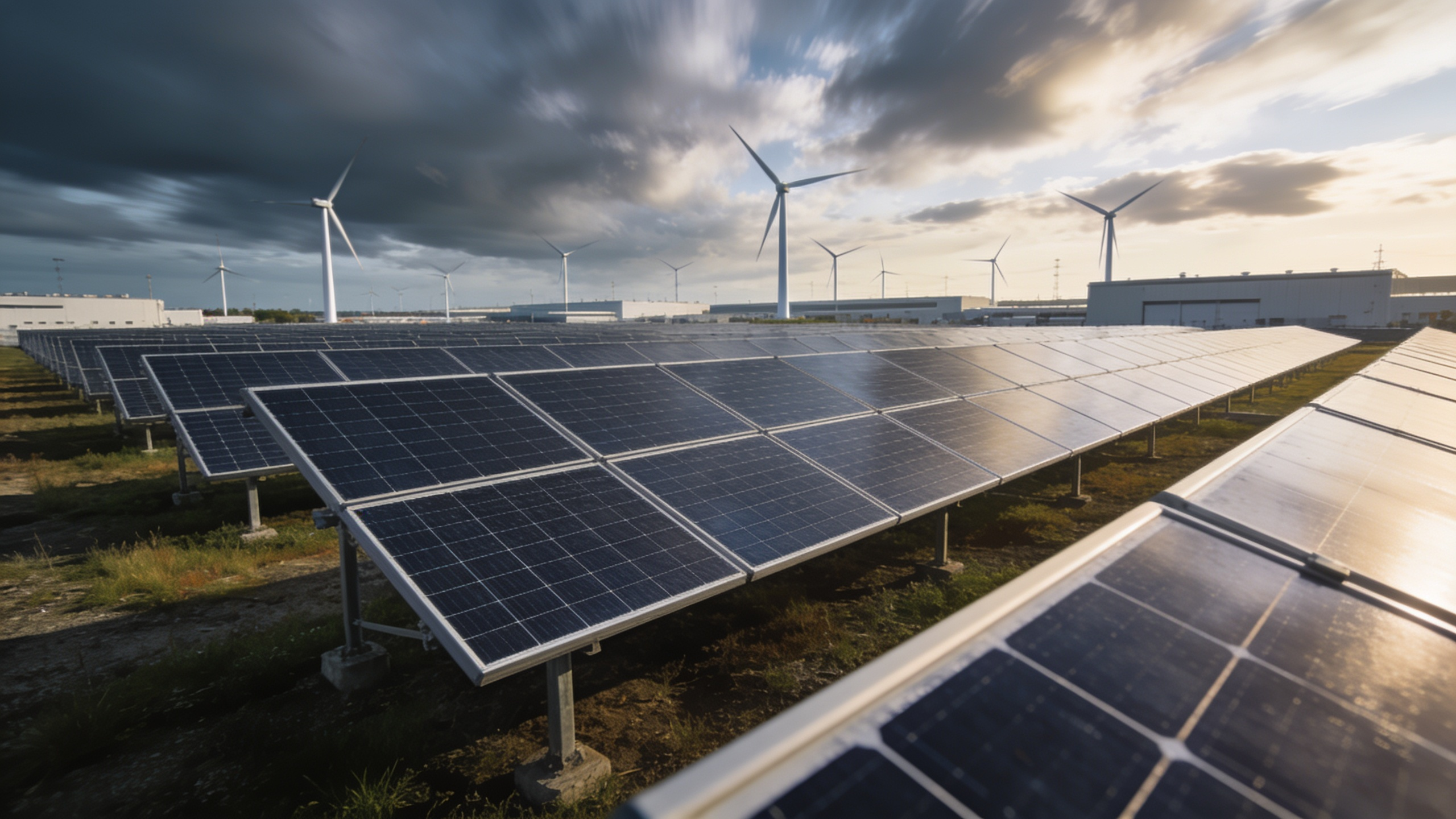
Alkaline vs. PEM vs. SOEC vs. DWE: Which Electrolysis Method Actually Makes the Cheapest Green Hydrogen?

Alkaline vs. PEM vs. SOEC vs. DWE: Which Electrolysis Method Actually Makes the Cheapest Green Hydrogen? There’s no single electrolyzer technology that wins on cost in every situation. The method that produces the cheapest green hydrogen is whichever one can run economically on the cheapest electricity available at a given site, and that answer changes … Read more

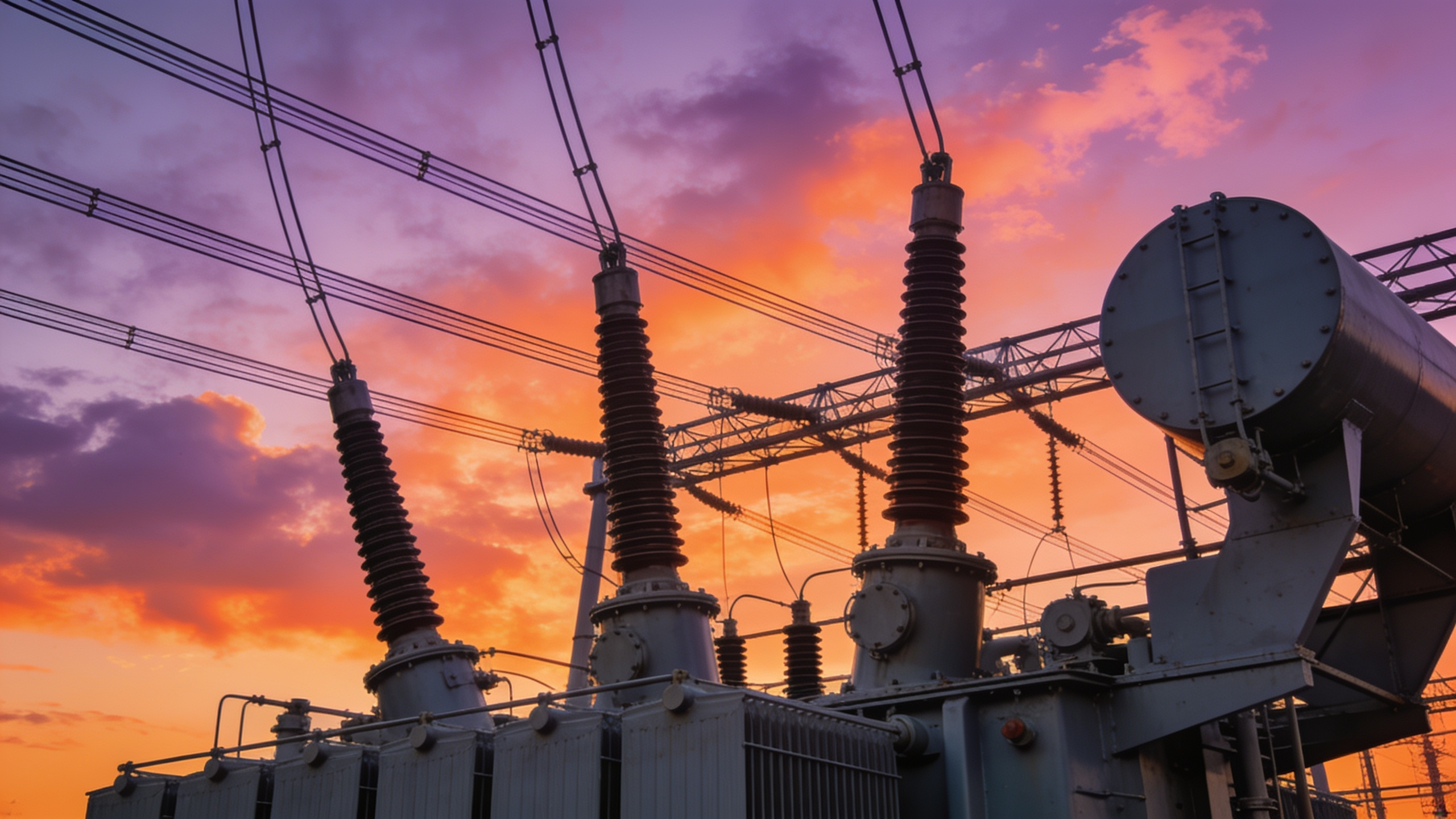
Electrolyzer Energy Use Compared: What Actually Cuts the Kilowatt-Hours?

Electrolyzer Energy Use Compared: What Actually Cuts the Kilowatt-Hours? Electrolysis energy use comes down to four things: cell-level electrical efficiency, stack architecture losses, cycling tolerance under variable power, and how cheaply the system can source its electricity. Improving cell chemistry alone typically closes only a fraction of the gap between theoretical and real-world energy consumption. … Read more

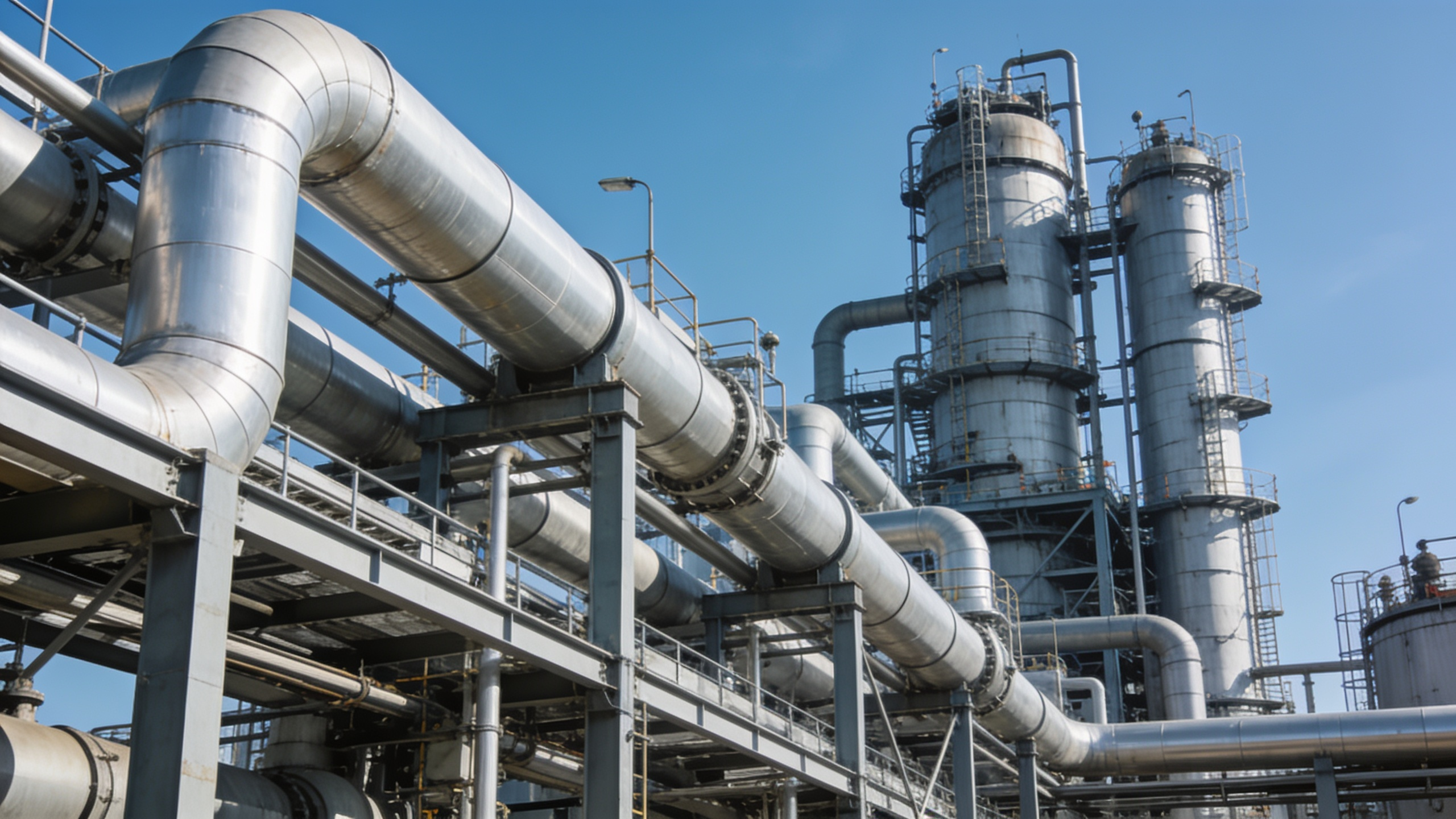
Cutting Electrolysis CAPEX at Utility Scale: What Actually Works

Cutting Electrolysis CAPEX at Utility Scale: What Actually Works Utility-scale electrolysis CAPEX falls through four real levers: removing expensive materials from the stack, simplifying the balance of plant, buying at manufacturing scale, and standardizing plant design so engineering costs don’t repeat with every project. The largest single-step reductions come from architecture rather than procurement, because … Read more

The Complete Guide to Grid Integration Challenges for Large Electrolyzers

The Complete Guide to Grid Integration Challenges for Large Electrolyzers Large electrolyzer projects stall on grid integration more often than they stall on chemistry. The problem splits into two parts: getting an interconnection approved, and operating cleanly once connected. This guide breaks down both, plus the off-grid alternative a growing number of projects are choosing … Read more